Poppy Flower Font for Handmade Crafts
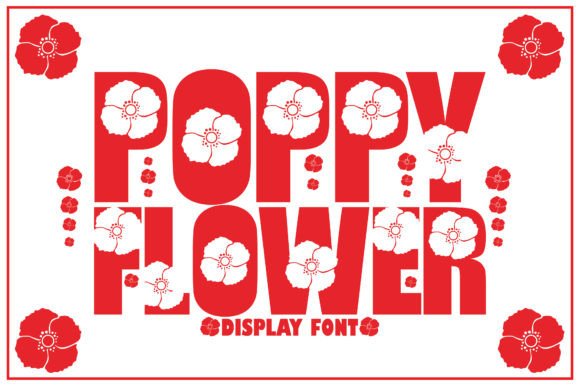
As a fellow maker and small business owner, I know the struggle of finding a typeface that feels both whimsical and professional. We spend hours perfecting our physical products, from cutting vinyl to pressing ink onto paper, and the typography we choose can make or break the final result. Poppy Flower is a fun decorative font that has quickly become a staple in my digital asset library because it bridges the gap between playful charm and commercial viability. When you are designing for customers who value handmade aesthetics, this display font offers the perfect blend of personality and readability required for everything from product labels to wedding stationery.
Elevating Product Packaging and Labels
For those of us selling physical goods on platforms like Etsy or at local markets, packaging is often the first tangible interaction a customer has with our brand. Poppy Flower excels in this space because its decorative nature draws the eye without sacrificing legibility. I have found it particularly effective for candle labels, soap wrappers, and boutique clothing tags. The letterforms have enough weight to stand out against textured papers and kraft backgrounds, ensuring your product name remains clear even when printed at smaller sizes.
When designing stickers or jar labels, readability is paramount. A common mistake in craft design is choosing a script that looks beautiful on screen but turns into an illegible blob when cut from vinyl or printed at two inches wide. Poppy Flower avoids this pitfall by maintaining distinct character shapes. This makes it a reliable choice for flavor names on food packaging or scent descriptions on wax melts. Because it functions as a strong display font, you can use it confidently for short phrases and titles while keeping the fine print in a clean sans serif font for maximum contrast and compliance.
Creating Memorable Stationery and Invitations
Wedding and event stationery require a delicate balance of elegance and warmth. Poppy Flower brings a fresh, organic feel to invitation suites that stiff formal scripts sometimes lack. It works beautifully for header text on welcome signs, seating charts, and menu cards. For printable creators, this typeface adds significant perceived value to digital downloads. Customers looking for modern farmhouse or garden-party aesthetics are naturally drawn to its unique style.
I frequently use this font for birthday invitations and baby shower templates where the vibe needs to be celebratory yet polished. Unlike overly complex handwritten fonts that can feel messy when scaled up for large format printing, Poppy Flower retains its structure on poster-sized welcome boards. This versatility allows you to create cohesive stationery suites where the same font family anchors the design across 5x7 invites, envelope liners, and thank-you cards. The emotional appeal of this typography helps convey the joy of the occasion, making your templates more attractive to buyers browsing through hundreds of options.
Practical Tips for Cutting Machines and Printables
If you use a Cricut or Silhouette machine, you understand the frustration of weeding intricate fonts. Poppy Flower is designed with crafting practicality in mind. While it is decorative, the connections and strokes are generally robust enough to withstand the weeding process on adhesive vinyl and heat transfer vinyl (HTV). However, always perform a test cut when using any new display font on fabric or glitter vinyl. For t-shirts and tote bags, consider increasing the tracking slightly to ensure the letters do not merge during the heat press application.
For digital printable creators, file preparation is just as important as the design itself. When listing wall art or planner pages featuring Poppy Flower, showcase it in realistic mockups. Customers need to see how the font behaves in real-world scenarios. Pair this expressive typeface with a simple, modern sans serif for body text to guide the viewer’s eye. This font pairing strategy not only improves readability but also signals professional design sensibility. Avoid using Poppy Flower for long paragraphs; reserve it for headlines, quotes, and names to maintain its impact and prevent visual fatigue.
Building Brand Identity with Consistent Typography
Your font choices contribute directly to brand recognition. Using Poppy Flower consistently across your social media graphics, website banners, and product photography overlays creates a unified visual identity. This consistency helps customers instantly recognize your work in a crowded marketplace. Because this font carries such a distinct personality, it acts as a powerful branding tool for businesses focused on creativity, nature, children’s products, or artisanal goods.
Consider how this typeface interacts with your logo design. If your primary logo is minimalist, using Poppy Flower for seasonal promotions or limited-edition collections can inject temporary excitement without diluting your core brand. Conversely, if your brand is already maximalist, this font can serve as a harmonious supporting element. The key is intentionality. Every time you select this creative font, ask yourself if it serves the function of the specific project. Does it enhance the message? Is it readable for the target audience? Answering yes to these questions ensures your designs remain commercially useful rather than just decorative.
Navigating Licensing and Technical Assets
Before adding any premium font to your workflow, verifying the license is a non-negotiable step for commercial sellers. Always check the specific licensing terms included with Poppy Flower to confirm it covers your intended use case. Most standard licenses cover physical end products like mugs, shirts, and printed cards, but creating digital templates or SVG files for resale often requires an extended or commercial license. Protecting your business means respecting intellectual property and ensuring you have the right to monetize your creations.
Additionally, explore the full technical capabilities of the font file. Many decorative fonts include OpenType features like alternates, ligatures, and swashes that can transform a standard layout into something custom. Accessing these glyphs allows you to avoid repetitive letterforms in words with double characters, giving your hand-lettered look a more authentic flow. Check for multilingual support if you serve international customers, as this expands your potential market for printable planners and bilingual signage. Understanding these technical details transforms Poppy Flower from a simple novelty typeface into a comprehensive design asset that supports the growth and professionalism of your handmade business.